Star Parties in Phoenix & Scottsdale
Private Star Parties in Phoenix & Scottsdale
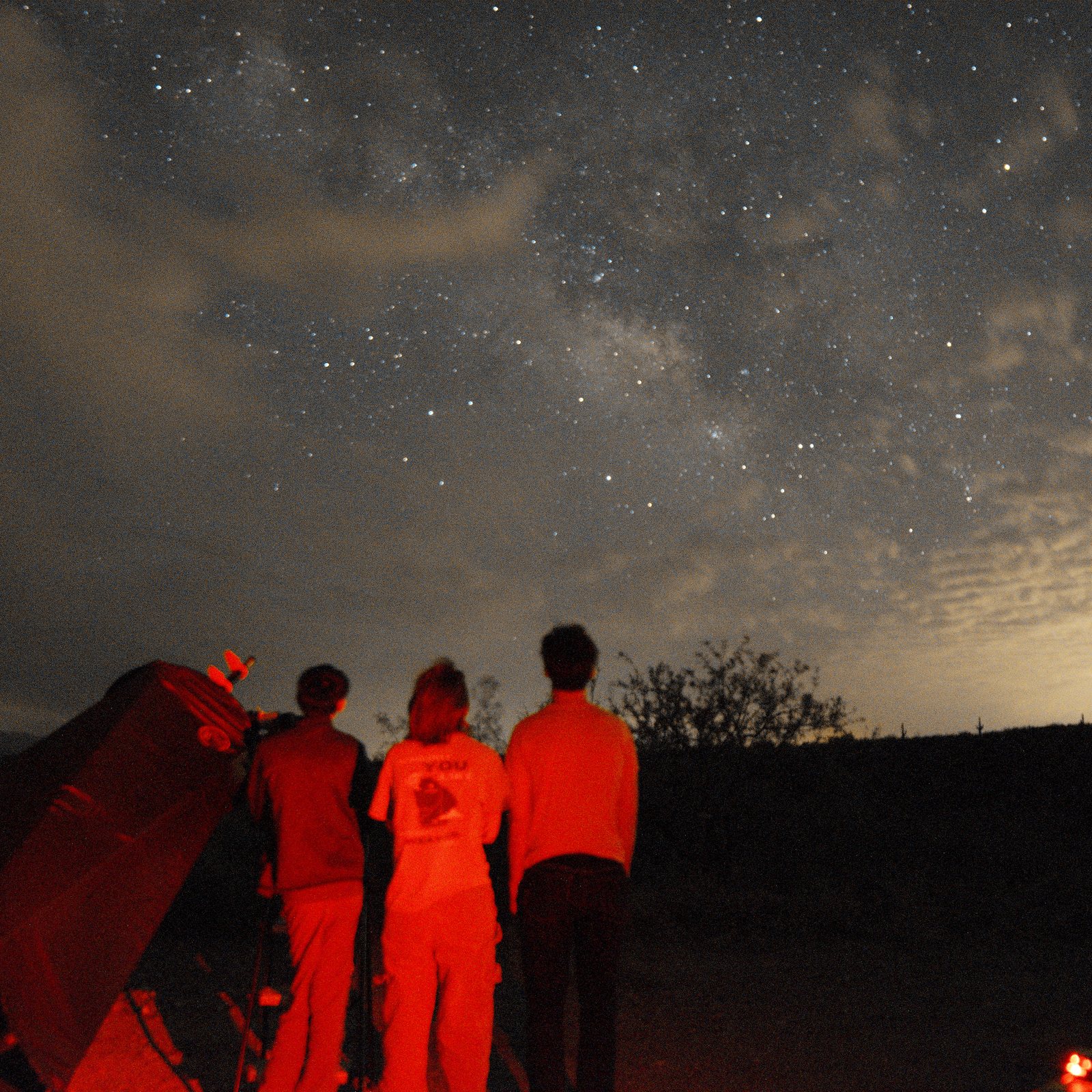
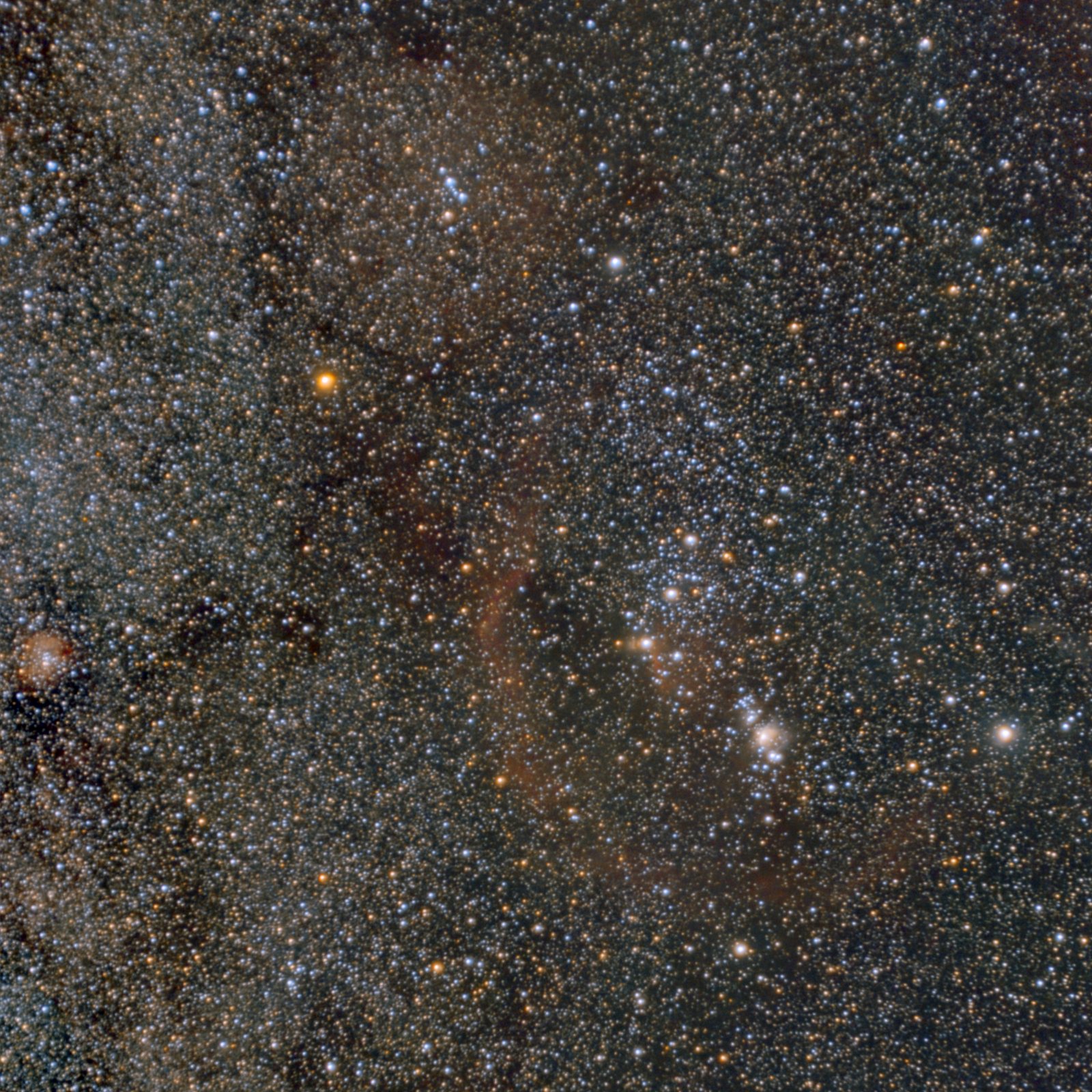


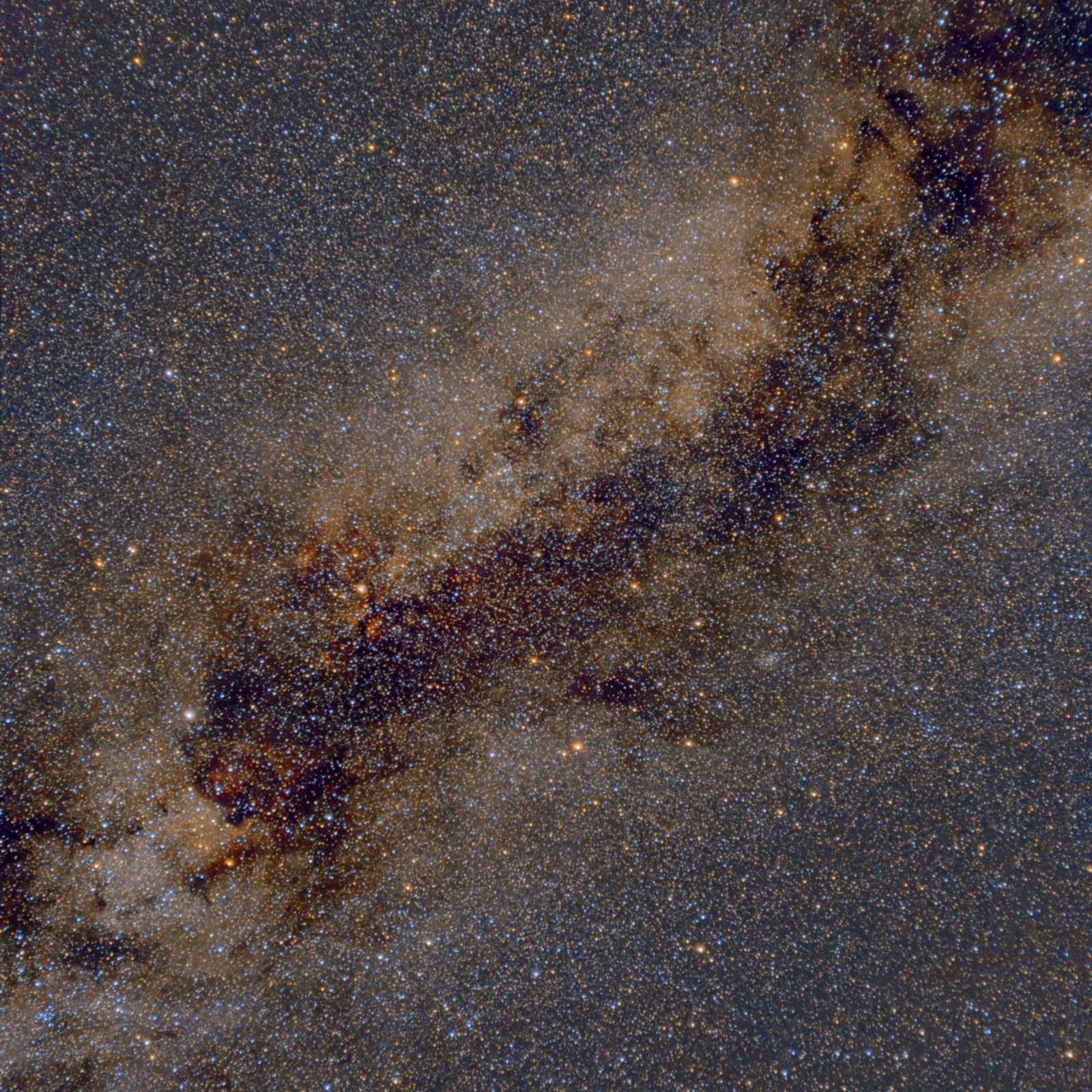
Experience the night sky like never before. I bring hand-built telescopes, binoculars, and night vision to your backyard, vacation rental, or resort anywhere in the Valley — or meet you at a dark-sky site outside it — and show your group the Moon, planets, star clusters, galaxies, and nebulae in remarkable detail. Every session is private and tailored to you — a family night, a bachelor or bachelorette party, a birthday, a corporate outing, or simply an evening out under the stars.
Now booking private events for November 2026 through May 2027. Check a date or ask a question →
Made for Small Groups
Most of my star parties are for a handful of people, not a crowd. With a small group nobody waits long for the eyepiece, everyone gets their questions answered, and I can chase whatever your group gets excited about. Pricing is by the group, not per person, and covers up to 20 guests.
- Families. Screen-free, hands-on, and paced for whoever’s there, from six-year-olds to grandparents. Viewing is seated, and winter sessions can start early enough to finish before bedtime.
- Bachelor and bachelorette parties. A first-night or wind-down activity for a Scottsdale or Phoenix weekend that the whole group can do together. I come to your rental or meet you at a dark-sky site, and can send you home with a group portrait under the stars.
- Birthdays. For kids or adults, in the backyard or out of town. Saturn’s rings make a good surprise.
- Couples. Date nights, anniversaries, and proposals. A private telescope under a dark sky sets the scene; I’m happy to help plan the moment, photograph it, and otherwise stay out of the way.
- Visitors and vacation rentals. In Phoenix for a week, or have family in town? Seeing the desert sky properly is the thing they’ll talk about when they get home.
- Scout troops, clubs, and classes. Great for badges and school groups; ask about longer sessions for bigger groups.
Planning something larger — a wedding, a corporate event, a resort program? I do those too. Get in touch and we’ll shape it around your venue.
Why Book a Star Party With Me?
For over ten years I’ve been showing people the night sky — thousands of them, from impromptu looks at the Moon on a street corner to week-long events like the Okie-Tex Star Party. I build my own telescopes from scratch, grinding the mirrors by hand; I’ve tested and reviewed hundreds more; and I serve on the board of DarkSky Southern Arizona.
- An unplugged experience. No computers, no screens — everything is found and tracked by hand at the eyepiece, the way stargazing is meant to be. While you wait for a turn, there are binoculars to explore the sky with.
- Serious, comfortable equipment. My homemade 14.7" telescope is set up for seated viewing, so you sit down at the eyepiece and take your time. Alongside it come a 6" telescope, binoculars for guests, and a PVS-14 night vision device that pulls nebulae out of the sky even when conditions aren’t ideal. A hand-built 24" telescope joins the lineup in spring 2027.
- Photos to take home. On request I’ll shoot a timelapse of your night or a portrait of your group under the stars. The camera runs in the background; nobody looks at a screen while we’re out there.
- Fun for all ages. Whether your group is kids, adults, or a mix, the experience stays engaging and easy to enjoy — no background knowledge needed.
- Optional presentation. I can add a short talk to set the scene before you head to the telescopes.
- Dependable skies. Arizona has some of the clearest, darkest skies in the country, which means far fewer weather cancellations than most places.
- Built around you. I’ll work with your venue, schedule, and preferences to shape the right event for your group.
Night Vision: Nebulae in Real Time
I use a PVS-14 night vision device to enhance views of nebulae in real time. We’ll take a look at these and many other objects using regular eyepieces, too, but night vision reveals details that are often washed out by light pollution or even invisible to the unaided eye altogether. These clips were filmed with a phone held up to the night vision eyepiece on my 14.7" telescope. Nothing is stacked, stretched, or processed afterward — this is the live view, as it happens, and a phone camera only catches part of what your eye picks up at the eyepiece.
The Horsehead is famously one of the hardest objects to see in any telescope. With night vision, your whole group can see it in a few seconds each, even with some moonlight or city glow in the sky.
Phoenix Star Party Pricing
Base pricing for the Phoenix metro area, for small groups of 20 or fewer guests. Phoenix-area events have a two-hour minimum:
- from $500 — 2 hours
- from $600 — 3 hours
- from $700 — 4 hours
These are base estimates, not fixed quotes. Every event is priced individually, and the final figure depends on your group size, location, date, and what you’d like included. Tell me what you have in mind and I’ll send a firm quote.
The rate is for the group, not per person, and it includes my travel from Tucson with a truckload of telescopes. At the base rate, a two-hour night for a party of ten comes to about $50 a person; for a family of five, about $100.
Not sure how long you need? Two hours is plenty for the Moon, planets, and bright showpieces, and those look great from anywhere in the Valley. For fainter deep-sky objects like galaxies and nebulae, a longer session at a dark site outside the city is worth it.
Where to Stargaze Near Phoenix
The easiest star party is the one at your place: a backyard, rental, or resort anywhere in Phoenix, Scottsdale, Tempe, Mesa, Chandler, Gilbert, Glendale, Peoria, Fountain Hills, or Cave Creek. The Moon and planets look great from the middle of the city. When you want a darker sky, these are the places I like to take groups. Tell me where you’re staying and what you want to see, and I’ll recommend one.
- Picketpost Trailhead — near Superior, about an hour east of the Valley, with Picketpost Mountain on the horizon.
- Tonto National Forest — the nearest big stretch of dark sky to the Phoenix metro, north and east of the city.
- Hovatter Road observing field — off I-10 west of Tonopah, roughly 90 minutes from downtown. A longtime favorite of Phoenix astronomy clubs for good reason.
- Alamo Lake State Park — remote, northwest of Phoenix, and one of the darkest places in Arizona you can reach on a paved road. Ideal for an overnight.
Star Party FAQ
Phoenix star parties
How much does a private star party in Phoenix or Scottsdale cost?
Base pricing starts at about $500 for two hours, $600 for three hours, and $700 for four hours, for a group of up to 20 guests in the Phoenix metro area, with a two-hour minimum. That includes my travel from Tucson. These are estimates rather than fixed prices: every event is quoted individually based on group size, location, and specifics.
Is pricing per person?
No. Pricing is for the group, covering up to 20 guests. At the base rate, a two-hour night for a party of ten works out to about $50 each.
Why does Phoenix cost more than Tucson?
I’m based in Tucson, so a Phoenix-area event adds several hours of driving with a truckload of telescopes. The Phoenix base rate and two-hour minimum account for that travel.
Where in the Phoenix area do you do star parties?
Anywhere in the Valley — Phoenix, Scottsdale, Tempe, Mesa, Chandler, Gilbert, Glendale, Peoria, Fountain Hills, and Cave Creek — at your home, rental, resort, or venue, plus dark-sky sites outside the metro area.
Where is the best stargazing near Phoenix?
East of the Valley, Picketpost Trailhead near Superior and the Tonto National Forest are the quickest escapes from the city glow. To the west, the Hovatter Road observing field off I-10 is a longtime favorite of Phoenix astronomy clubs, and Alamo Lake State Park is one of the darkest places in Arizona you can drive to on pavement.
Can we stargaze from a Scottsdale backyard or resort?
Yes. The Moon, planets, double stars, and bright clusters look spectacular from the middle of the Valley, and night vision pulls nebulae out of a city sky. A dark site is worth the drive when you want the Milky Way overhead and galaxies in the telescope.
What to expect
What is a private star party?
It’s a guided night of stargazing for just your group. I bring the telescopes, binoculars, and night vision gear to your backyard, rental, resort, or a dark-sky site, then spend the session finding things in the sky and showing them to you at the eyepiece — the Moon, planets, star clusters, nebulae, and galaxies. No experience or equipment needed on your end.
What will we actually see?
It depends on the Moon, the season, and your location, but a typical session includes some mix of: the Moon in crater-by-crater detail, planets (Saturn’s rings and Jupiter’s moons are perennial crowd favorites), colorful double stars, star clusters, and — from darker locations — galaxies and nebulae. With my night vision device, nebulae are visible in real time with an amount of detail that surprises even experienced observers. I plan each session around what’s best placed in the sky on your date.
What's in the sky during the November–May season?
This is the best stretch of the year for bright showpieces. Saturn is up in the early evening through about January, and Jupiter is well placed all winter and spring. The Pleiades, the Orion Nebula, and the winter Milky Way dominate from December through March, and by April and May the spring galaxies take over. When you reach out I’ll tell you exactly what’s up on your date.
Do you provide the telescopes?
Yes — I bring everything: telescopes, eyepieces, night vision equipment, and the expertise to run it all. You don’t need to own or know anything about telescopes. Binoculars are nice to have on hand for guests if you own some, but I can provide a few pairs of my own. If you do own a telescope and want to learn to use it, I offer help and repair services too.
Do we have to climb a ladder to look through the telescope?
No. My 14.7" telescope is built for seated viewing — you sit down at the eyepiece, get comfortable, and take your time, which also makes it easy for kids and for anyone who’d rather not stand. The hand-built 24" telescope arriving in spring 2027 needs only a short ladder, and only for objects high in the sky.
What is night vision astronomy?
I use a PVS-14, a handheld image intensifier that amplifies faint light in real time. Held up to the sky or to a telescope, it shows nebulae that are otherwise invisible to the eye — live, through an eyepiece rather than on a screen — and it keeps working when the Moon is up or there’s some city glow. Most guests have never looked through one.
Can you take photos or a timelapse of our group?
Yes. On request I’ll set up a camera to shoot a timelapse of your night, or a portrait of your group under the stars — with the Milky Way behind you when it’s up and the site is dark enough. The camera runs by itself in the background and you get the results afterward. During the star party itself we don’t look at screens; the whole point is your own eyes at the eyepiece.
How is this different from an observatory program?
It’s private, it comes to you, and it runs on your schedule. There’s no shared tour group and no fixed program: your group gets all the eyepiece time, I pick targets for the people in front of me, and we can linger on whatever you like best.
Small groups, families & parties
What's the smallest group you'll do?
There’s no minimum. Couples, date nights, and single families are some of my favorite nights, because everyone gets as much time at the eyepiece as they want.
Is this good for kids?
Absolutely — kids are often the most enthusiastic observers of the night. Everything is hands-on and screen-free, viewing at the main telescope is seated, and I adjust the pacing and explanations to the audience. Star parties work well for birthday parties, scout groups, and school events.
Is a star party a good bachelor or bachelorette party activity?
Yes — it’s an easy first night or wind-down night for the weekend. I come to your rental or meet you at a dark-sky site, it works for a group with mixed interests, and nobody needs to know anything about astronomy. Seeing Saturn’s rings for the first time tends to get a bigger reaction than people expect, and a group portrait under the stars makes a better souvenir than most.
Can you come to our Airbnb, vacation rental, or campsite?
Yes. All I need is a reasonably flat spot with a view of the sky and somewhere to park nearby. Send me the address or a pin and I’ll check the horizon and the local light pollution ahead of time and tell you what to expect.
How many people can attend?
My base pricing covers groups of 20 or fewer. Larger groups are welcome — contact me to discuss logistics and pricing, since bigger crowds benefit from longer sessions so everyone gets solid eyepiece time.
Booking & planning
How long should our session be?
If you mainly want the Moon and planets, the shortest session is plenty and it doesn’t need to be dark-sky conditions — those targets are bright enough to look spectacular from a backyard in the middle of the city. Save the longer sessions at darker locations for when you want galaxies and nebulae.
How far in advance should I book?
Earlier is better, especially for weekend dates. The Moon phase also matters for deep-sky viewing, so if you want galaxies and nebulae, booking near the new Moon is ideal — I can advise on the best dates for your month when you reach out. I’m currently booking November 2026 through May 2027.
What time does a star party start?
Usually about an hour after sunset, once the sky is properly dark — earlier if the Moon and planets are the main event. In winter that can be as early as 6:30 pm, which makes it easy with young kids or before a late dinner.
What happens if it's cloudy?
Southern Arizona is one of the most reliably clear places in the country, which is why professional observatories cluster here — weather cancellations are far less common than most people expect. If clouds do threaten your date, we’ll reschedule at no charge. I watch the forecast closely in the days leading up to every event and will keep you informed.
What should we bring?
Not much — but a few things make the night better:
- Warm layers. Desert nights get cold fast once the sun goes down, even in summer, and you’ll be sitting or standing still for most of the session. Bring more than you think you need.
- Closed-toe shoes, especially if we’re heading somewhere dark and off-pavement.
- Binoculars, if you own a pair. Even ordinary 8x42s or 10x50s show star clusters, the Milky Way, and craters on the Moon beautifully, and having your own means you’re never waiting for a turn at the eyepiece. I bring a few pairs to share, but the more the better.
- Red light only. Your eyes need about 20–30 minutes in darkness to reach full sensitivity, and a single glance at a white phone screen resets that for everyone nearby. Most phones can switch to a red display — on iPhone, set up a Red Filter shortcut under Accessibility; on Android, look for a night or red-screen filter in Display settings or a free red-light app. If you have a flashlight, red is best; otherwise I’ll have red lights on hand and I’ll ask that white lights stay off once we’ve started.
Book Your Phoenix Star Party
Tell me your date, your group size, and where you’ll be, and I’ll come back with what’s in the sky that night and a recommended plan.
Based down south instead? See star parties in Tucson and Southern Arizona.